Step 1 · build the old machine
Before AI, the problem was already a tradeoff.
A nuclear command system has to move an authentic order from legitimate authority to the weapon. Every link added for safety can also become a link that fails under attack.
The visual begins as a simple chain. It will mutate one idea at a time.
Step 2 · negative control
Move toward never, and the system gets safer but more brittle.
Control layers are the simple visual shorthand here: locks, codes, vetoes, split custody, and authentication. More layers reduce unauthorized use. They also make the command path longer and more fragile.
Step 3 · positive control
Move toward always, and the system gets more reliable but more dangerous.
Alert postures, predelegation, bypasses, and automation preserve retaliation after disruption. But they create more paths to action when no legitimate order exists.
Step 4 · visible near-miss
The old nightmare usually left evidence.
Earlier nuclear near-misses were not safe. They were terrifying precisely because machines, procedures, and institutions produced false or ambiguous warnings. But many of those failures had seams: contradictory sensors, missing confirmation, exercise contamination, physical evidence, or human doubt. The warning could still be argued with inside the decision cycle.
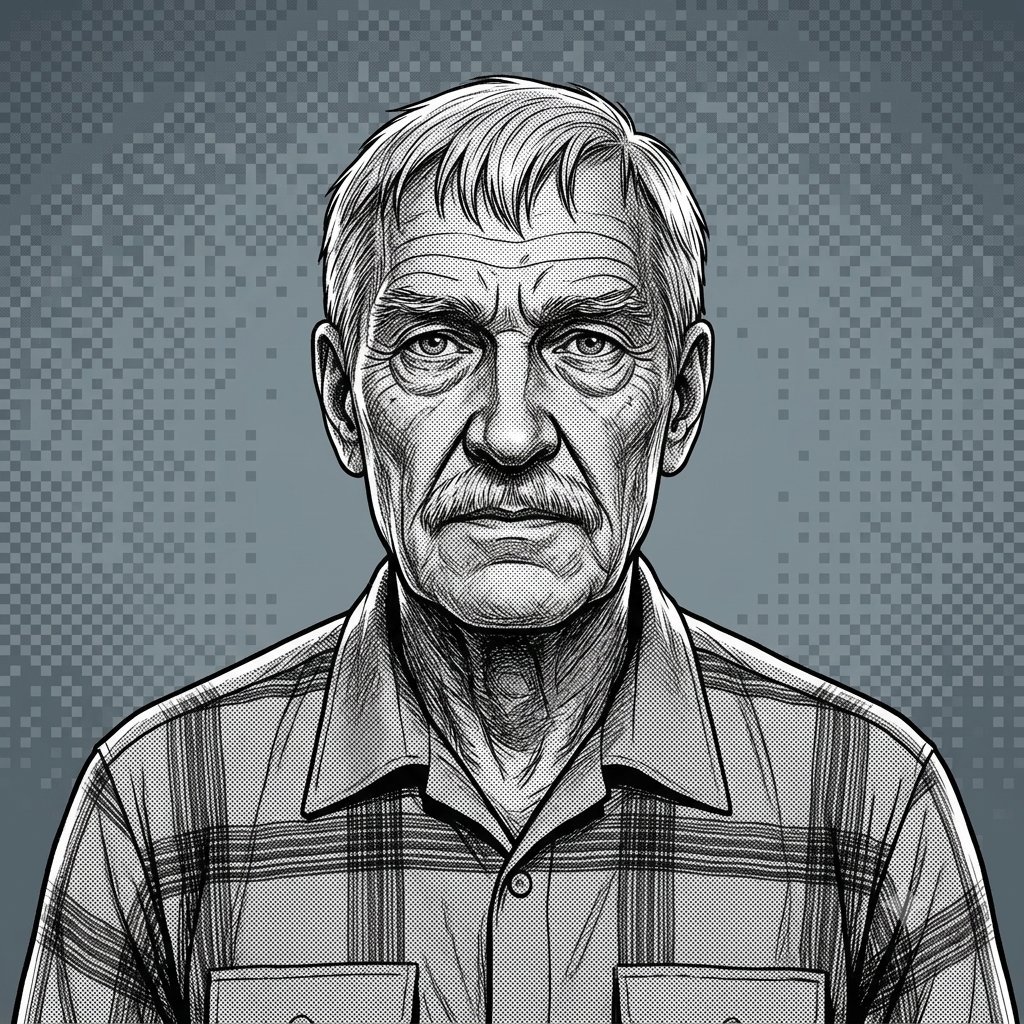
A lesson learned · 26 September 1983
Petrov declines to believe the machine.
Soviet early warning reported one missile, then five. Doctrine called for immediate escalation. A human officer judged the pattern wrong — and was right.
Lieutenant Colonel Stanislav Petrov was the duty officer at Serpukhov-15 when the Oko satellites reported the launches. Five missiles made no strategic sense as an opening strike, and ground radar — which could see nothing — agreed. The satellites had mistaken sunlight reflecting off high-altitude clouds for engine flare.
Petrov matters not because one man “beat the machine” in a heroic cartoon sense, but because the warning remained contestable. There was a display, a pattern, missing ground-radar confirmation, a strategic context that did not fit, and eventually an error mechanism. The institution could learn because the failure had a shape.
EVENT LOG: WARNING DISPLAYED · HUMAN VETO RECORDED · ERROR INVESTIGABLE
Historical seam · 9 November 1979
A different failure: simulated war bleeding into real warning.
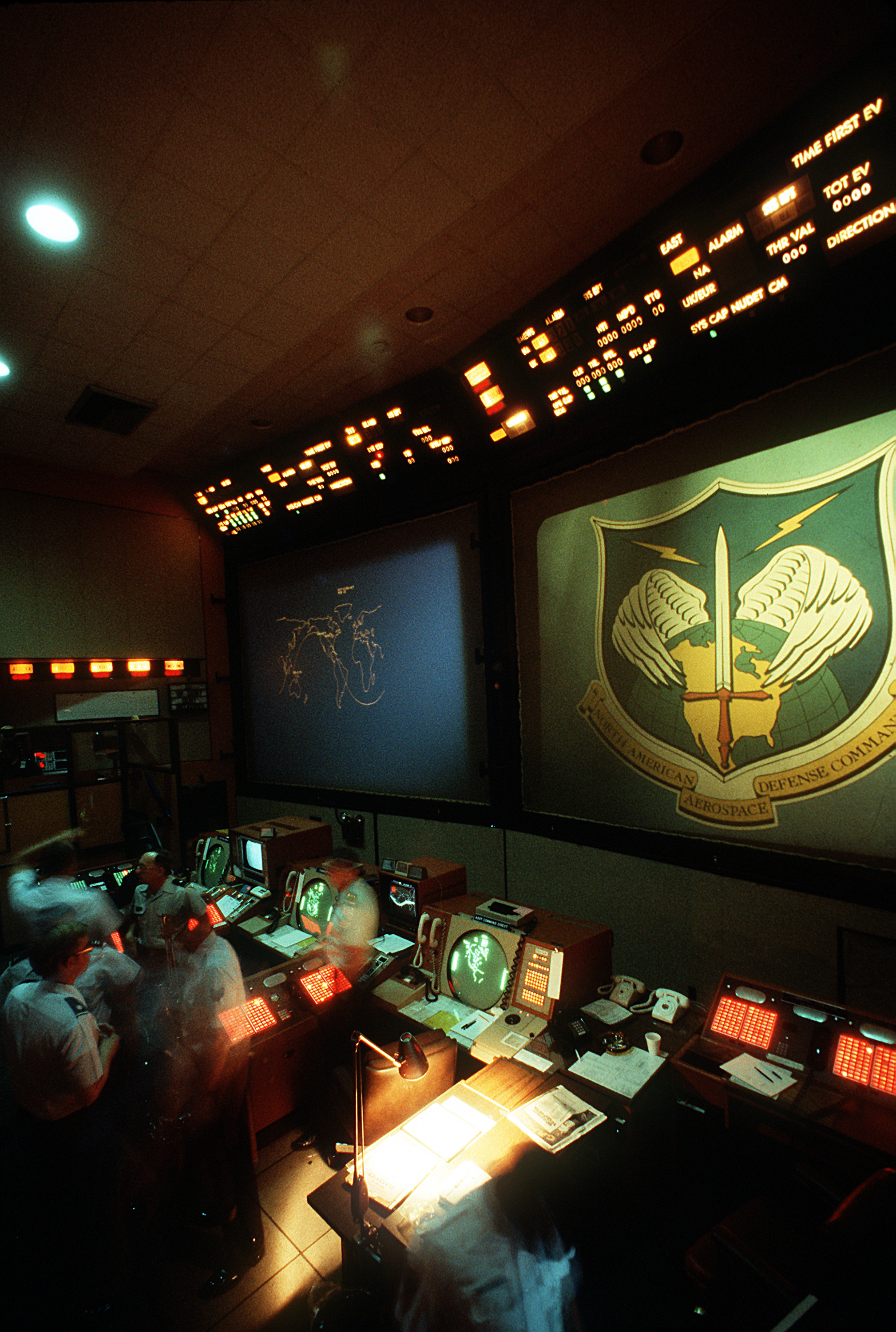
In November 1979, NORAD's warning displays showed what looked like a large-scale Soviet missile attack. The cause was not Soviet missiles — it was exercise data. A training tape simulating an attack had been fed into the live warning system. This was a different failure mode than Petrov's: not a sensor misreading the world, but simulated war contaminating real warning. Satellite and radar cross-checks showed nothing, and the alert stood down within minutes. It still had a seam — a channel that disagreed, a mechanism investigators could name, a fix that could be implemented. That is what a contestable failure looks like.
Step 5 · the widening gap
Seeing has raced downward for seventy years. Deciding has not.
Detection time has collapsed for decades — sensors, fusion, and now AI keep shrinking it. The institutional floor for verifying, deliberating, and authorizing has barely moved, because its limit is human, not computational.
Drag the year below. Watch the sensor line fall through the decision floor.
Step 6 · what the pixels mean
Now slow down. Each square is one crisis fragment.
The rows are sources: satellite, radar, cyber, communications, intelligence, logistics, leadership signals, and open-source reporting. The colors are not mood. They are the raw material of crisis interpretation.
This is the missing context: the pixel field is a map of uncertainty before any model summarizes it.
Step 7 · machine confidence
AI does not press the button. It cleans the picture.
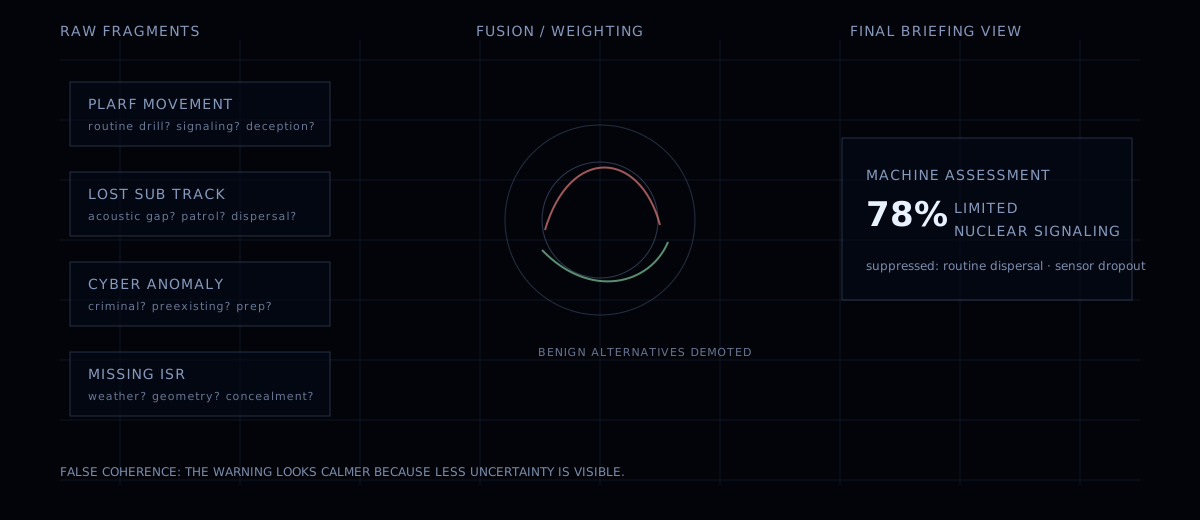
The model suppresses noise, imputes missing data, weights some fragments over others, and produces a machine assessment. The human sees a cleaner display — and less of the discarded uncertainty.
Step 8 · U.S.-China crisis interpretation
The dangerous system may be closest to interpretation.
In a crisis, ambiguous movement, cyber noise, lost tracks, diplomatic silence, and public rhetoric can be fused into one assessment. The system still leaves the human in charge, but the crisis has already been translated.
Step 9 · human in the loop
Human control has three meanings, not one.
Authority asks who may legally decide. Perception asks what facts reach that person. Meaning asks who interprets those facts. AI changes perception and meaning before it changes authority.